The workforce has changed, with many marketing professionals preferring flexibility, independence, and remote collaboration. That’s why Veracity has built a blended team of full-time staff and trusted contractors to attract top talent and reflect how people want to work today. Whether you’re leading a nonprofit, business, or in-house marketing department, knowing how to find and manage marketing contractors is an essential skill.
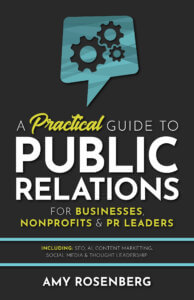
This post continues the two-part series that began with Successful Agency Partnerships: How to Know If You’re Ready, Choose Wisely, and Keep Them Working. While that piece focused on managing agency relationships, this one looks at contractors — the individuals who fill specialized roles, expand your team’s capacity, and bring expertise when and where you need it. Both posts are adapted from my book A Practical Guide to Public Relations for Businesses, Nonprofits and PR Leaders.
Knowing When You Need a Contractor
Contractors can be an efficient, strategic way to fill gaps, test new initiatives, or handle overflow work. They bring experience and flexibility without adding long-term overhead.
You might consider bringing in a contractor when:
- Your in-house team is stretched thin but you’re not ready for a full-time hire.
- You need specialized skills (like design, writing, or SEO) for a defined project.
- You want to pilot new marketing initiatives before committing long term.
Working with contractors allows you to scale up or down as needed — a practical solution in an industry where priorities change quickly. Contractors are also an important part of blended teams, balancing long-term internal knowledge with on-demand expertise.
Finding the Right Fit
The best contractors are professionals who treat their independent work as a business, not a side gig. When evaluating potential partners, look for experience, communication skills, and reliability.
A few key criteria:
- Professional training and track record. Have they been mentored or worked within an established organization before going solo?
- Consistency. Contractors who’ve been independent for several years tend to be self-managed and reliable.
- Tools and resources. Established contractors invest in their own equipment and software.
- Communication. Pay attention to how they write and respond. Clarity, tone, and timeliness matter as much as their portfolio.
- References or testimonials. A short list of satisfied clients or published examples of their work speaks volumes.
Referrals are the best place to start — ask trusted peers who they rely on. When that doesn’t surface anyone, use job boards like PRSA or AMA, or vetted platforms such as Upwork. Just make sure to maintain transparency by communicating and paying through the platform if that’s where you connect.
Setting Expectations and Deliverables
The most common reason contractor relationships fail is lack of clarity. Both sides should know exactly what’s being delivered, how often, and to what standard.
This can be as simple as outlining specific monthly deliverables — for instance, the number of content pieces, social posts, or design projects due each month — paired with agreed-upon timelines and revision processes. Defining this from the beginning helps prevent confusion and ensures you’re both measuring success the same way.
When starting out, it’s fine to work hourly while testing the partnership. Just set a maximum number of hours and review early progress to make sure the arrangement is productive. As trust builds, move toward a structure that rewards efficiency and accountability for both sides.
Practicing Delegation and Building Trust
Delegation takes practice — especially for leaders used to doing everything themselves. Early in my career, I over-edited every piece of work my contractors submitted. I thought I was helping; I was really creating delays.
That changed when I worked with a contractor who quickly learned my style and started producing work that exceeded expectations. By gradually handing over more responsibility, I built trust — and gained time to focus on strategy and leadership.
If delegation feels uncomfortable, start small. Assign one clear deliverable, review the results, and expand from there. Over time, you’ll learn how to communicate expectations without hovering.
Managing Long-Term Relationships
Once you’ve found great contractors, keeping them engaged is key. One of the best analogies I’ve heard came from a Fortune 500 marketing leader who described his contractor network as his “bench.” His strategy was simple — keep the bench warm.
He made sure contractors always had small but steady projects so they stayed familiar with his brand, team, and systems. That way, when a major initiative came up or someone left the team, those contractors could step in immediately without a long ramp-up. It’s a smart approach that creates loyalty, continuity, and a reliable safety net — the same kind of stability that makes blended teams so resilient.
Paying and Classifying Contractors
There’s no single right way to pay contractors, but retainers tend to work best for me. They make budgeting easier, provide consistency, and reinforce accountability. When we agree on a set scope each month, both sides know what to expect — the contractor has stable income, and I can forecast expenses without surprises.
At Veracity, this model works across all kinds of contractor roles — writers, designers, digital specialists. Everyone has a clearly defined set of deliverables tied to a retainer, which keeps the focus on outcomes rather than clocking hours. It’s a system that values results over time spent.
Paying hourly can make sense in the beginning, especially when testing a new contractor or defining a role. But it has its drawbacks. Some tasks take minutes, others take hours, and the hourly system can underpay efficiency. A retainer rewards skill, speed, and consistency — things that benefit everyone.
Whatever structure you choose, be clear about expectations and communicate regularly about scope or timing changes.
Proper classification matters, too. Laws like the “ABC Test,” adopted in several states, outline who can legally be considered an independent contractor. In general, they must:
- Be free from your direct control
- Operate outside your core business functions
- Maintain an independent trade or profession
These rules protect both sides. Respecting contractors’ independence while staying compliant isn’t just a legal necessity — it’s good business.
Tracking Performance
Even if you’re not paying hourly, it’s still smart to track time. Tools like Toggl help teams understand where effort is going, whether deliverables align with investment, and if workloads are balanced.
For contractors, time tracking isn’t about micromanagement — it’s about transparency. It helps identify where efficiencies can be improved and ensures both sides feel the workload and value are fair.
Building the Modern Team
Managing contractors effectively is as much about mindset as process. Flexibility isn’t a trend; it’s how the best work gets done today. Contractors bring specialized skills, independence, and fresh perspective — qualities that strengthen teams when managed with trust and structure.
By combining full-time employees with reliable contractors, you create blended teams that are efficient, scalable, and modern. It’s how Veracity works — and how many successful organizations are operating now.
For more detail on managing PR and marketing teams of all types, including additional processes, examples, and checklists, you’ll find expanded guidance in my book A Practical Guide to Public Relations for Businesses, Nonprofits and PR Leaders.